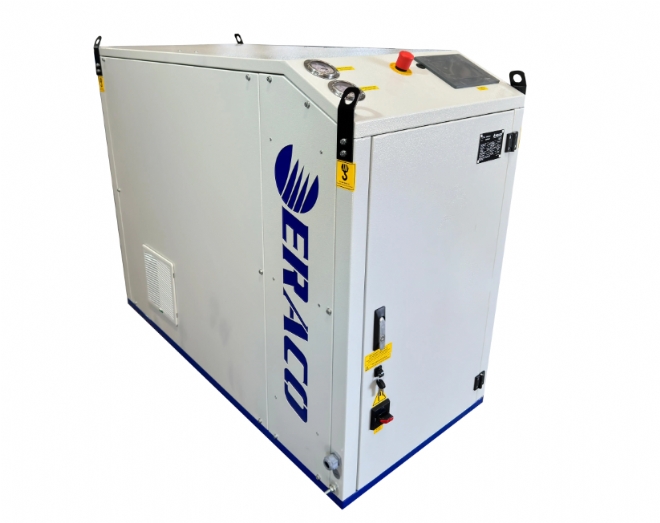
Водоохлаждаемые чиллеры серии EWS
43-1255 kW
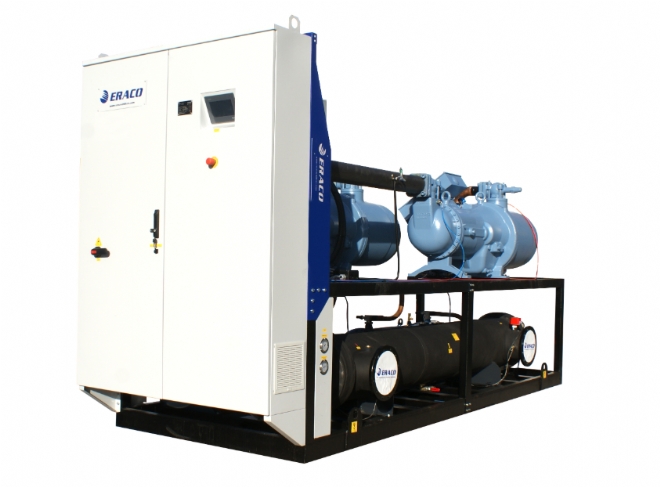
Водоохлаждаемые чиллеры серии EWW
570-2200 kW
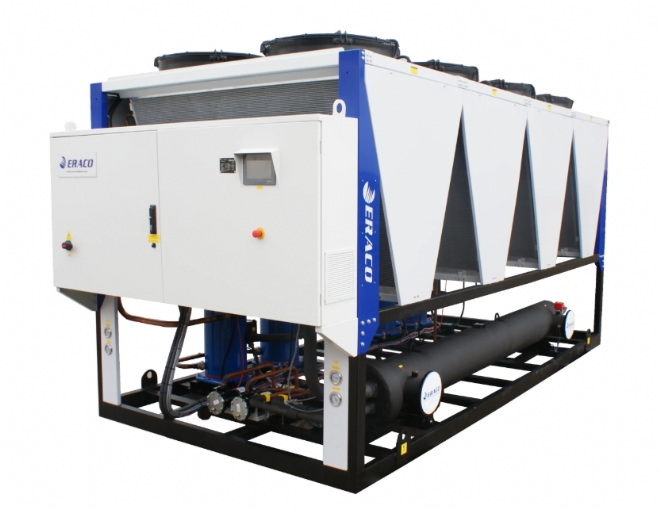
Воздушно-охлаждаемый чиллер серии EAS
74,5-1151 kW
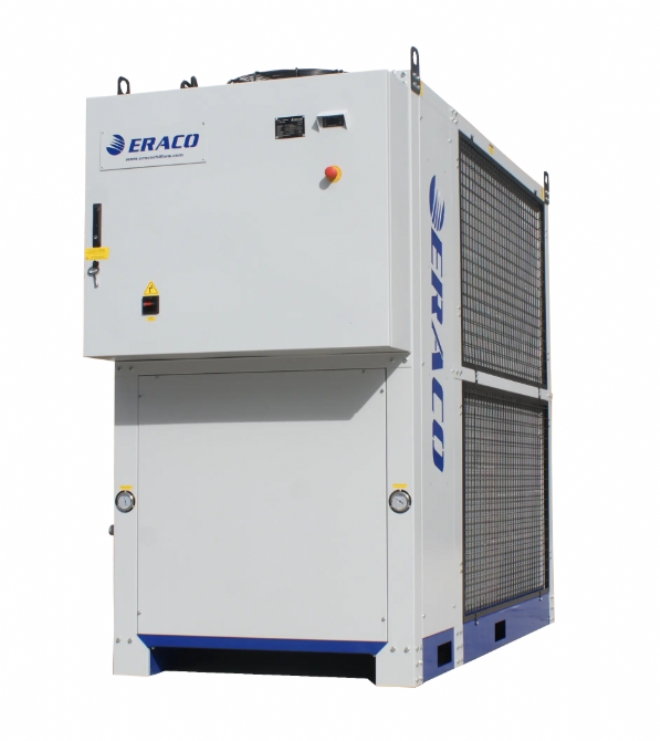
Воздушно-охлаждаемый чиллер серии EAS.HK
2,5-256 kW
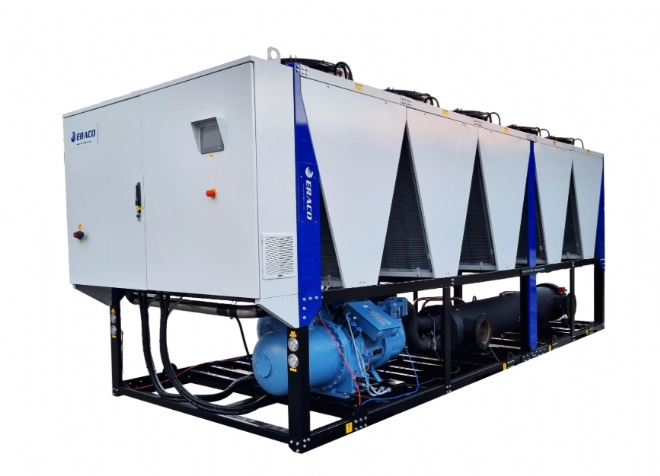
Воздушно-охлаждаемый чиллер серии EAW
496-1950 kW
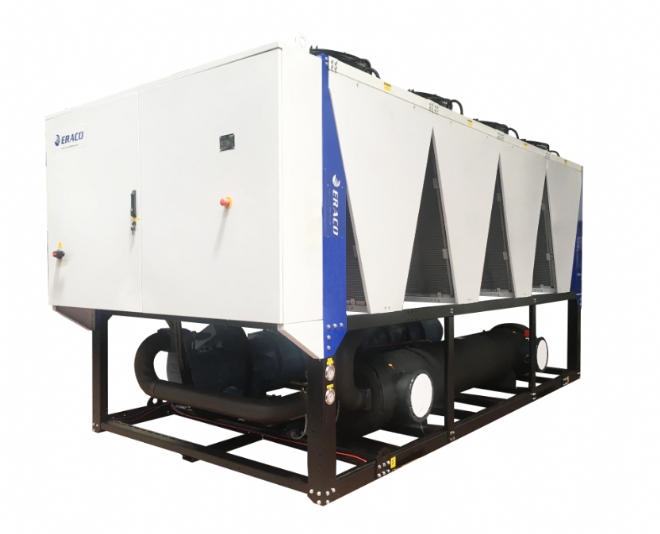
Воздушно-охлаждаемый чиллер серии EAW.VI+1
350-1520 kW
Chillers are critical components in various industrial, commercial, and residential settings, providing cooling solutions by removing heat from liquids or spaces and transferring it elsewhere. They play a pivotal role in air conditioning systems, manufacturing processes, and refrigeration, ensuring optimal operating temperatures and enhancing efficiency and product quality. Let's delve into the types, operation, applications, and considerations of chillers.
Types of Chillers
Chillers are categorized based on their cooling mechanism and the type of refrigerant used. The main types include:
-
Air-Cooled Chillers: These chillers expel heat absorbed from the cooled environment into the surrounding air. They are commonly used in applications where space is limited and are easier to install but might be less efficient in hot climates.
-
Water-Cooled Chillers: These systems use water instead of air to remove heat from the refrigerant. They are typically more efficient than air-cooled chillers but require access to a continuous water source and more maintenance.
-
Evaporative Cooled Chillers: Combining elements of both air and water cooling, these chillers use a mist of water evaporated into the air to enhance cooling efficiency. They can offer lower energy consumption compared to traditional air-cooled systems.
-
Absorption Chillers: Using a heat source to drive the refrigeration cycle, these chillers are unique because they do not rely on electrical power but rather on heat sources such as natural gas, steam, or hot water. They are particularly useful in industrial settings where waste heat is available.
Нужна помощь с выбором?
Отправьте нам требования к применению и оборудованию.